'/%3E%3Cpath d='M30 0v30M0 15h60' stroke='%23FFF' stroke-width='10'/%3E%3Cpath d='M30 0v30M0 15h60' stroke='%23C8102E' stroke-width='6'/%3E%3C/svg%3E)

Is Your Team Safe? 5 Training Courses You Need Right Now
Workplace safety isn't optional — it's strategic. The blog covers 5 essential training courses every professional needs: OHS compliance, first aid/CPR, fire safety, chemical handling, and ergonomics. Together, they protect people, reduce costs, and build a lasting safety culture.
Workplace safety isn't optional — it's strategic. The blog covers 5 essential training courses every professional needs: OHS compliance, first aid/CPR, fire safety, chemical handling, and ergonomics. Together, they protect people, reduce costs, and build a lasting safety culture.
Workplace safety in 2026 is a strategic priority, not just a legal requirement. Organizations that invest in proper training protect their people, reduce costs, and avoid regulatory penalties. This guide answers a simple question: which safety courses does your team actually need this year?
Below are five training programmes that apply across industries. Each one addresses a specific gap that leads to real incidents when left unfilled.
1. Occupational Health and Safety (OHS) Compliance Training
What it covers
OHS training teaches workers and managers the legal rules that govern their workplace. Topics include employer obligations, employee rights, incident documentation, safety data sheets, and how to prepare for regulatory inspections.
Why it matters in 2026
Regulatory bodies continue to increase enforcement. Organisations that lack documented training records face higher penalties. This course also builds a proactive safety mindset identifying hazards before they cause harm, rather than reacting after the fact.
Who needs it
• All employees — foundational module
• Supervisors and safety officers — advanced compliance and documentation modules
• HR professionals responsible for policy
2. First Aid, Emergency Response, and CPR Certification
What it covers
This certification prepares staff to respond to medical emergencies before professional help arrives. Core skills include how to assess an unconscious person, perform CPR, use an Automated External Defibrillator (AED), and manage wounds, burns, fractures, and choking.
Why it matters in 2026
Bystanders who freeze in emergencies usually do so because they were never trained to act. Certification removes that hesitation. Trained team members know what to do, in what order, and why and that can save a life.
Certification note
Most first aid and CPR certifications are valid for two years. Schedule refreshers to stay current with updated guidelines.
3. Fire Safety, Evacuation Procedures, and Emergency Preparedness
What it covers
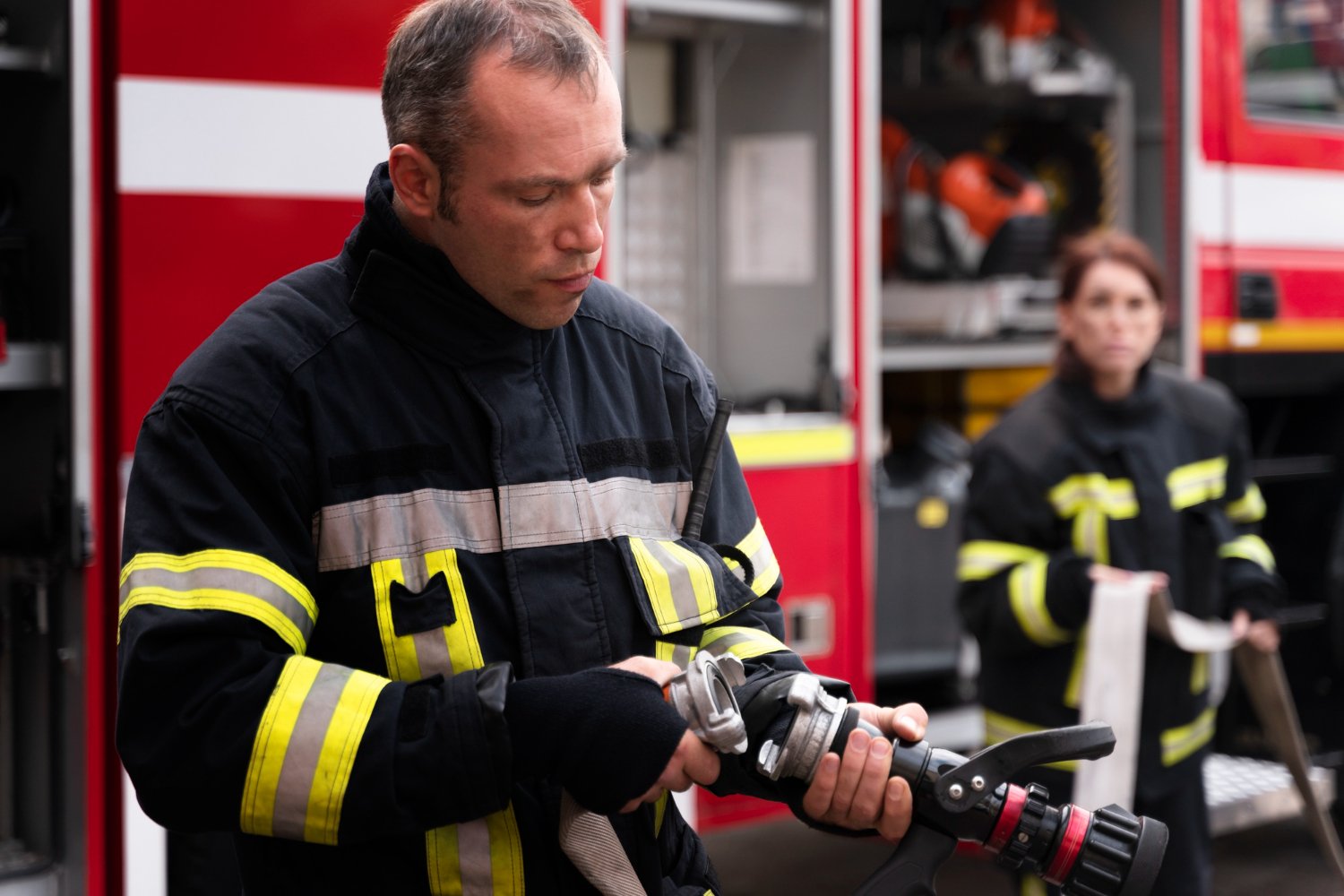
Fire safety training covers both prevention and response. Topics include how fires start and spread, safe storage of flammable materials, correct use of fire extinguishers (matched to the correct fire class), evacuation routes, accounting for all personnel at assembly points, and how to assist colleagues with mobility challenges.
Why it matters in 2026
Teams that have rehearsed evacuations behave calmly and purposefully during a real alarm. Untrained groups often panic, delay, or block exits. Training also addresses human psychology in emergencies a critical factor that most organisations overlook.
4. Hazardous Materials and Chemical Safety Training
What it covers
Known as HazCom (USA) or COSHH (UK/EU), this training applies to any workplace where chemicals are present. Participants learn to read chemical labels and hazard pictograms, locate and interpret Safety Data Sheets (SDS), select the correct personal protective equipment (PPE) for specific substances, handle spills safely, and dispose of materials in line with environmental regulations.
Why it matters in 2026
Improper chemical handling is a leading cause of workplace injuries and environmental violations. Trained employees handle materials with precision, respond to incidents quickly, and avoid secondary hazards caused by improvised responses.
Applies to
• Manufacturing and industrial sites
• Laboratories and research facilities
• Construction and maintenance operations
• Cleaning and facilities management
5. Workplace Ergonomics and Musculoskeletal Injury Prevention
What it covers
Ergonomics training tackles the most common category of workplace injury: musculoskeletal disorders (MSDs) caused by repetitive movement, poor posture, and physical strain. It covers workstation setup for office workers, correct manual handling for physical roles, movement breaks, load assessment, and the use of mechanical aids to reduce strain.
Why it matters in 2026
MSDs are consistently among the top causes of long-term sick leave. They develop slowly and silently — which is exactly why most organisations do not catch them until they become expensive. Ergonomics training prevents the problem before it starts.
Business impact
• Reduced absenteeism
• Lower workers compensation claims
• Higher productivity and morale
• One of the highest-return safety investments available
Building a Safety-First Culture in 2026
Completing these five courses creates a strong foundation. Sustaining that foundation requires ongoing reinforcement: regular toolbox talks, open near-miss reporting, hazard observation programmes, and visible leadership behaviour that models safe practices every day.
Every investment in training sends a clear message — the health and wellbeing of your people matters. That message builds trust and loyalty that extends far beyond the training room.