'/%3E%3Cpath d='M30 0v30M0 15h60' stroke='%23FFF' stroke-width='10'/%3E%3Cpath d='M30 0v30M0 15h60' stroke='%23C8102E' stroke-width='6'/%3E%3C/svg%3E)

Torque Verification in UAE: Why Bolted Joints Fail Without It
Explains why bolted joints fail without torque verification: torque only indirectly controls clamp load, with preload scatter up to 35%. It covers friction and lubrication errors, uncalibrated tools, and under-torquing, plus why UAE heat, humidity and dust raise the stakes. It also outlines a verification process, compares tightening methods, and ends with a checklist and 5 FAQs
Explains why bolted joints fail without torque verification: torque only indirectly controls clamp load, with preload scatter up to 35%. It covers friction and lubrication errors, uncalibrated tools, and under-torquing, plus why UAE heat, humidity and dust raise the stakes. It also outlines a verification process, compares tightening methods, and ends with a checklist and 5 FAQs
Introduction
Walk through almost any UAE plant, construction site, or warehouse and you'll find thousands of bolted joints holding critical things together: pipe flanges, structural steel connections, crane components, racking frames, pressure equipment. Most were tightened by someone with a torque wrench, signed off, and never looked at again.
Here's the uncomfortable engineering reality: a torque wrench measures the effort you apply, not the clamping force you actually get. That gap is where bolted joints quietly fail through leaks, loosening, fatigue cracking, or sudden structural separation. Torque verification exists to close that gap, and this guide explains how, why it matters in UAE conditions, and what a credible verification process looks like.
What Is Torque Verification?
Torque verification is the process of confirming that bolted joints have been tightened correctly and still hold the intended clamp load. It typically covers:
Checking that applied torque matches the specified value for the bolt, lubricant, and joint type
Confirming torque tools are calibrated and traceable
Verifying tightening sequence and pattern were followed
Re-checking selected joints after assembly, thermal cycling, or service to catch loss of preload
The goal isn't the torque number itself. It's confirming the joint achieves and keeps the preload (clamp force) it was designed for.
Why Bolted Joints Fail Without Verification
1. Torque Is an Indirect Measure of Preload
When you tighten a bolt, only a small fraction of the applied torque commonly cited at roughly 10–15% becomes useful clamp load. The rest is consumed overcoming friction in the threads and under the nut or bolt head. Because the result depends on friction, the same torque can produce very different clamp loads from one bolt to the next.
2. Preload Scatter Is Larger Than Most People Assume
Peer-reviewed research on bolt tightening has found that torque-to-preload scatter can reach values of up to 35% when bolts are tightened with torque wrenches, and that this scatter propagates through the tightening sequence of a multi-bolt joint, widening the spread in final bolt loads. In other words, even a correctly set wrench can leave some bolts well under- or over-tightened.
3. Lubrication and Friction Assumptions
Torque calculations rely on a "nut factor" (K) representing friction. Variation of around ±30% in this factor is a leading source of preload scatter, and specifying torque without controlling the lubrication condition is a well-documented engineering error. A bolt tightened dry to a value calculated for lubricated threads will be significantly under-loaded.
4. Uncalibrated or Misused Tools
A torque wrench reading one value while delivering another isn't a minor calibration quirk in a pressure boundary joint it's a program failure. Tools need calibration at defined intervals with traceable records, and operators need to use them correctly.
5. Under-Torquing Is the Most Common Failure
Insufficient preload allows the joint to separate or slip under load, causing fretting fatigue, gasket leakage, and self-loosening from vibration. Over-torquing causes its own problems: bolt yielding, thread galling, flange distortion, and crushed gaskets.
6. Reused or Damaged Fasteners
Thread friction changes after the first tightening. ASME PCC-1 advises against reusing bolts in critical service because a reused or corroded bolt may need markedly different torque to reach the same preload.
Why UAE Conditions Raise the Stakes
Several features of UAE operating environments make bolted joint integrity harder to take for granted:
High ambient temperatures and thermal cycling — repeated expansion and contraction can relax preload over time, particularly in flanged and structural joints exposed to direct sun
Coastal humidity and salt-laden air — corrosion on threads and bearing faces alters friction and degrades fasteners between inspections
Dust and sand ingress — contamination in threads changes the torque-to-preload relationship during assembly and maintenance
Dense industrial and construction activity — high volumes of bolted connections assembled under schedule pressure increase the chance of procedural shortcuts
None of this changes the physics; it simply means the margin for assuming "it was tightened once, so it's fine" is thin.
Where Torque Verification Matters Most
Pressure boundary flanges — oil & gas, LPG, process piping, where a leak is both a safety and environmental event (see our guide on LPG distribution system inspection in the UAE)
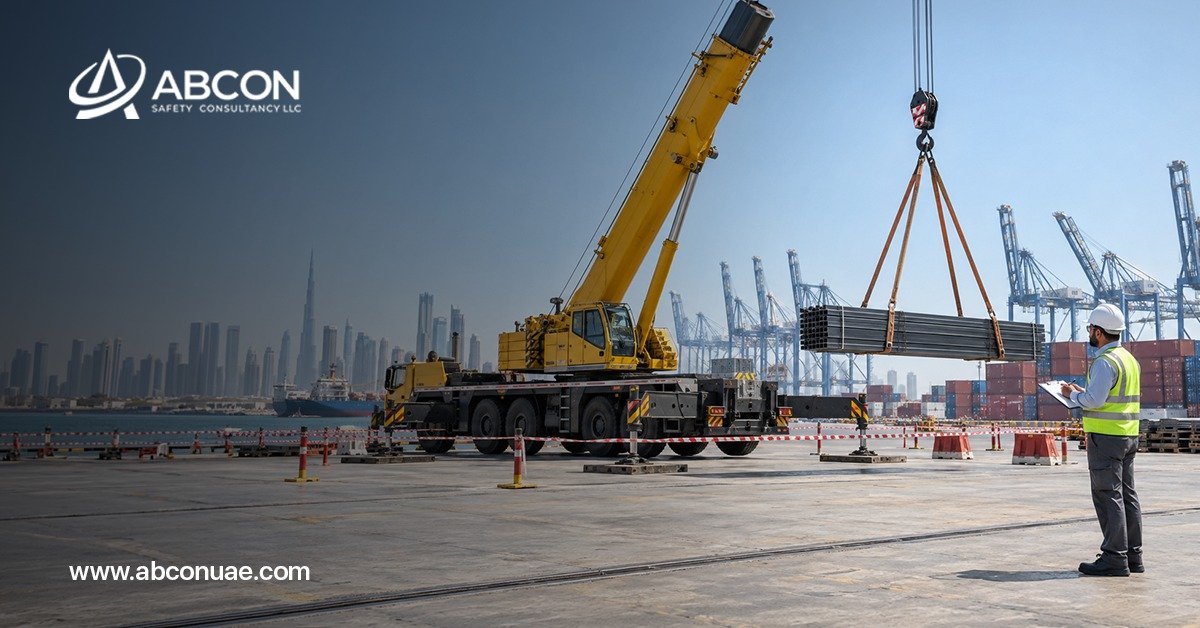
Lifting equipment — crane and rigging structural connections, where joint failure under load can be catastrophic (see our lifting equipment inspection guide)
Structural steel connections — slip-critical and preloaded joints that depend on controlled clamp load
Warehouse racking — beam connectors, base plates, and anchor fixings, as covered in our racking system inspection guide
Scaffolding and temporary works — coupler tightness is a core item on any scaffolding inspection checklist
What a Credible Torque Verification Process Includes
Specification review — confirming the required torque or target preload, fastener grade, and lubricant condition against the applicable standard or manufacturer data
Tool calibration check — verifying torque tools carry current, traceable calibration records
Fastener condition inspection — checking for thread damage, corrosion, galling, and incorrect or mixed grades; rejecting damaged or reused critical fasteners
Sequence and pattern verification — for multi-bolt flanges, confirming the correct cross-pattern and staged tightening passes
Torque audit or re-check — verifying a defined sample (or all critical joints) using a calibrated tool, with results recorded
Post-service or post-start-up re-check — re-verifying where preload loss is expected after thermal cycling or initial operation
Documented report — recording joint identification, specified versus measured values, tools used, and any corrective actions
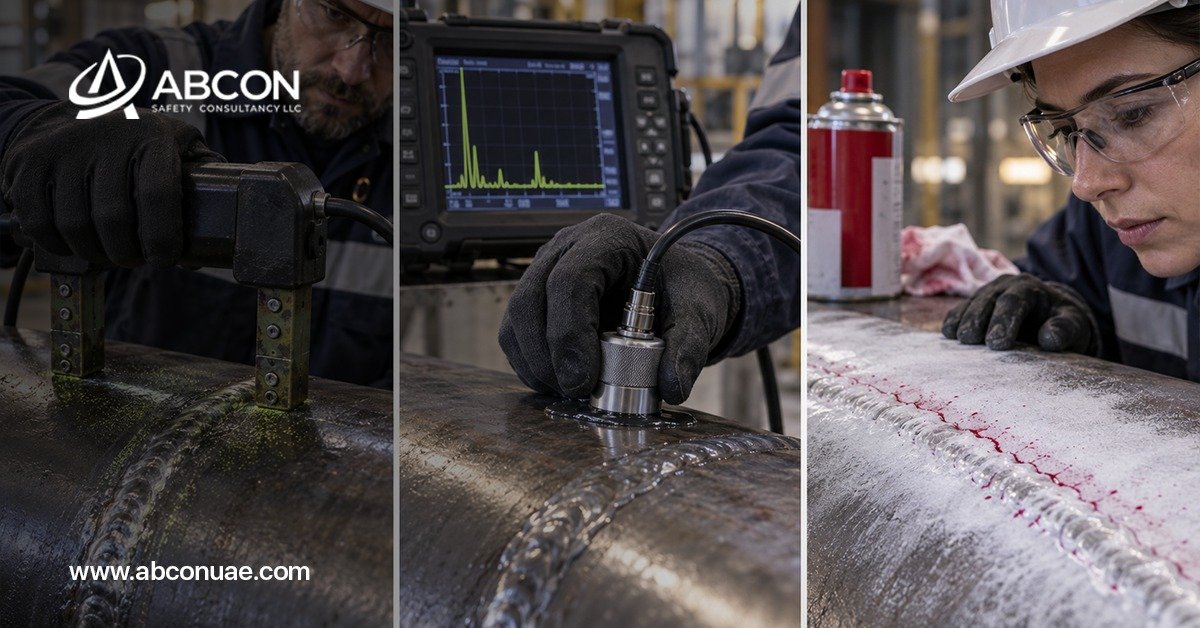
For pressure boundary joints, the ASME PCC-1 guideline provides the widely referenced framework: trained assemblers, documented torque sequences, controlled lubrication, calibrated tools, and post-assembly verification. Where cracking or hidden defects are a concern in fasteners or joint components, NDT methods such as MPI and UT can complement torque verification.
Torque Wrench vs. Other Tightening Methods
Method | Accuracy of Preload | Typical Use |
|---|---|---|
Standard torque wrench | Moderate; wide scatter due to friction | General assembly, non-critical joints |
Hydraulic torque wrench | Better tool consistency; friction still applies | Large flanges, heavy bolting |
Turn-of-nut | Less friction-dependent | Structural steel preloaded joints |
Bolt tensioner / direct tension indicators | Closer control of actual bolt load | Critical flanges, high-integrity joints |
Ultrasonic or strain-based measurement | Highest accuracy | Where exact preload must be proven |
More accurate methods cost more, which is why they're typically reserved for joints where exact preload genuinely matters.
Best Practices Checklist
Specify torque, lubricant condition, and verification method together — never torque alone
Use calibrated, traceable torque tools with records on file
Follow documented tightening sequences and staged passes for flanges
Reject reused, corroded, or damaged fasteners in critical service
Use trained, competent personnel for pressure boundary and structural joints
Re-check critical joints after thermal cycling or initial service
Record specified versus measured values for audit and incident review
Choose a higher-accuracy tightening method where exact preload is safety-critical
Frequently Asked Questions
1. Does a calibrated torque wrench guarantee correct bolt preload?
No. Calibration confirms the tool delivers the torque it displays, but torque is an indirect measure of preload that depends on friction. Even with calibrated tools, preload scatter of roughly ±25–35% is reported in the engineering literature.
2. What is the most common cause of bolted joint failure?
Insufficient preload from under-torquing is widely cited as the most common cause, often traced to wrong friction assumptions, uncalibrated tools, or operator error.
3. How often should bolted joints be torque-checked?
It depends on the joint's criticality, service conditions, and the governing standard or manufacturer guidance. Critical joints in vibrating, thermally cycling, or pressurised service warrant scheduled re-checks, including after initial operation.
4. Can bolts be reused after tightening?
In critical service, ASME PCC-1 advises against reusing bolts, since thread friction changes after first tightening and damage or corrosion can alter the torque-to-preload relationship.
5. Is torque verification the same as NDT?
No. Torque verification confirms tightening and clamp load, while NDT (such as MPI, UT, or PT) detects cracks and flaws in components. Many integrity programs use both.
Final Thoughts: Verified Joints Don't Fail Quietly
A bolted joint that was "tightened to spec" and never checked is a joint nobody actually knows the condition of. Because torque only indirectly controls clamp load, verification is what turns an assumption into evidence particularly in the heat, humidity, and heavy-duty conditions common across UAE facilities.
Need your critical bolted joints verified and documented? Get in touch with ABCON Safety Consultancy to discuss an inspection scope covering your flanges, structural connections, and lifting or storage equipment because a joint you've verified is a joint you can trust.